
Myth 1: Crypto is only used by criminals
Reality: The narrative that crypto is used for crime is outdated. In the early formative stages of the cryptocurrency ecosystem, a disproportionately large share of overall transaction volume was associated with criminal activities. A notable example was the Silk Road darknet marketplace, which at its peak accounted for nearly 20% of Bitcoin’s daily economic activity before being shut down by law enforcement authorities in 2013.
However, over the past decade, increased regulatory oversight and enhanced law enforcement measures have helped mitigate cryptocurrency-related criminal conduct. Furthermore, the development of sophisticated blockchain analysis tools has greatly facilitated the investigation and prevention of illicit activities within the crypto domain.
As a result of these concerted efforts, the prevalence of illicit activity as a proportion of overall cryptocurrency transaction volume has diminished considerably. Chainalysis estimates that in 2022, unlawful transactions represented less than 1% of the total crypto transaction throughput, demonstrating remarkable progress in enhancing the integrity and legitimacy of the cryptocurrency financial system.
This trajectory underscores the cryptocurrency ecosystem’s increasing maturity and the efficacy of the measures undertaken to combat criminal exploitation of digital assets. Continued collaboration between policymakers, law enforcement agencies, and the cryptocurrency industry will be crucial to sustaining this positive trend and ensuring cryptocurrencies fulfill their transformative potential as a secure and trustworthy financial innovation.
Reference: Chainalysis 2023 Crypto Crime Report
Myth 2: Crypto is anonymous and untraceable
Reality: Bitcoin and other cryptocurrencies are pseudonymous, not anonymous. Transactions are tied to publicly visible addresses and are recorded on a public ledger. Know Your Customer (KYC) regulations and blockchain analysis tools enable tracing of activities and transactions. While cryptocurrencies are often perceived as anonymous, the transparent nature of blockchain technology means that cryptocurrency transactions are actually tied to publicly visible addresses, rather than being fully anonymous. Additionally, the extension of Know Your Customer (KYC) obligations to cryptocurrency businesses has ensured that even fiat-to-crypto conversions cannot be conducted anonymously.
Far from being an anonymous financial system, the blockchain has in fact produced one of the most transparent and democratized financial networks the world has seen. With all transactions recorded in a public ledger, the blockchain offers unprecedented visibility into financial activity. However, effectively monitoring this activity and tracing criminal behavior requires specialized analytical tools.
Crypto businesses, financial institutions, and law enforcement agencies have been utilizing blockchain analysis platforms to maintain compliance, mitigate risk, and investigate illicit activity in order to recover stolen or illegally obtained funds. The transparency of the blockchain, combined with the right analytical tools, has made it a powerful system for financial transparency and accountability.
Myth 3: Crypto has no real-world use case
Reality: Cryptocurrencies are proving crucial, particularly in emerging markets for remittances and as a stable asset during economic instability. They’ve facilitated millions in aid during crises and offer a reliable alternative for preserving wealth. In the year following the commencement of the Russia-Ukraine conflict, cryptocurrency users donated over $56 million worth of digital assets to support relief efforts in war-affected Ukraine. Similarly, in February 2023, crypto donations played a substantial role in providing assistance to victims of the devastating earthquake that struck Turkey and Syria, with users contributing nearly $6 million in the immediate aftermath of the disaster.
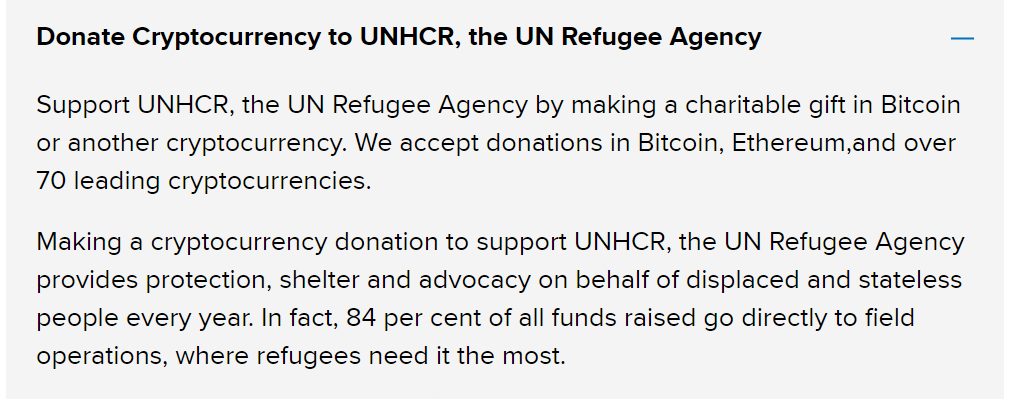
Reference: Ukraine has raised $225M in crypto to fight the Russian invasion, CoinDesk
The opportunity for Ethiopia and Africa
I strongly believe that Ethiopia and the entire African continent have a remarkable opportunity to harness the potential of cryptocurrency and blockchain technology. By thoughtfully adopting these innovations, they can unlock significant benefits for their citizens and economies.
By prudently integrating cryptocurrencies and blockchain-based solutions into their financial infrastructure and economic development strategies, African nations like Ethiopia could catalyze transformative progress in modernizing their financial systems, promoting equitable economic growth, and empowering their citizens through improved access to digital finance.
However, this integration must be approached with careful consideration of the regulatory frameworks, consumer protections, and risk mitigation measures required to ensure the safe and responsible adoption of these technologies. Fostering digital literacy and technical capabilities will also be crucial to realizing the full promise of cryptocurrencies and blockchain for the benefit of African economies and communities.
I am optimistic that with the right policies, strategies, and collaborative efforts, Ethiopia and the broader African region can emerge as global leaders in the thoughtful and impactful utilization of cryptocurrencies and blockchain technology to drive sustainable socioeconomic progress.