
The recent $1.5 billion hack of Bybit’s has sent shockwaves through the global cryptocurrency community, marking one of the largest digital heists in history. This incident not only underscores the vulnerabilities inherent in digital asset exchanges but also raises pressing concerns for crypto users worldwide, including those in Ethiopia.
Overview
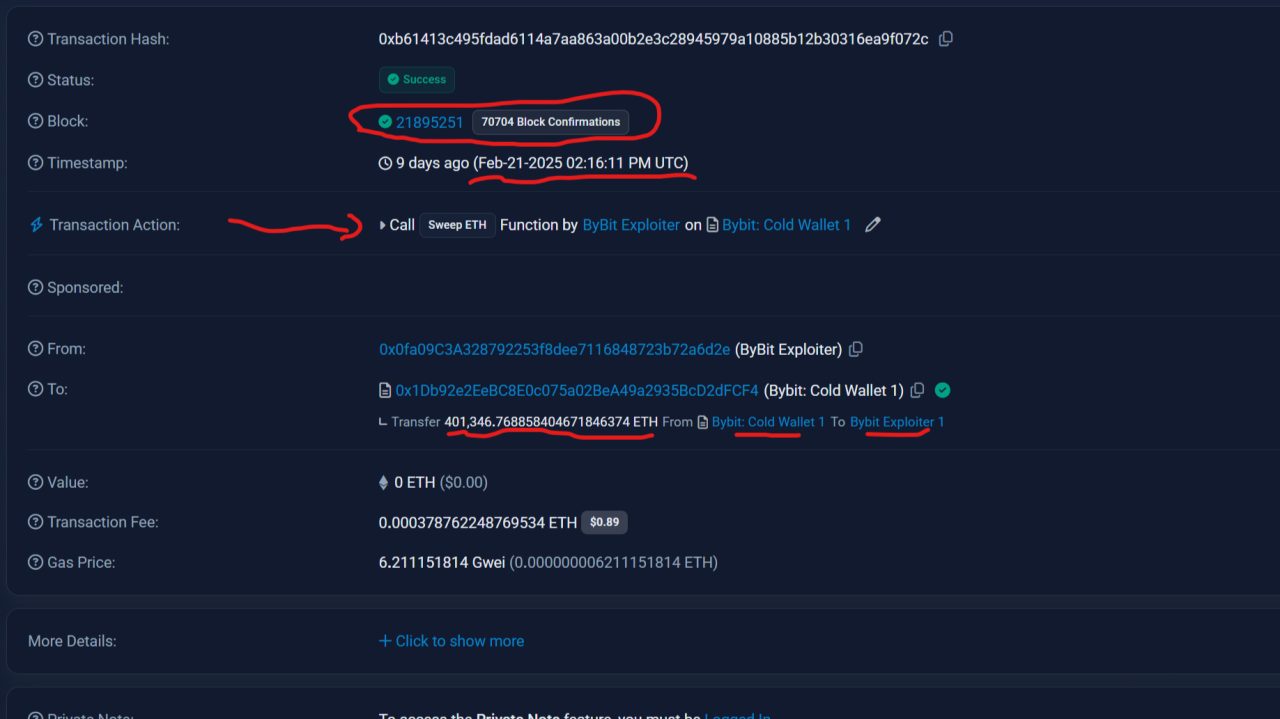
On February 21, 2025, Bybit, a prominent cryptocurrency exchange, reported a breach in its Ethereum cold wallet, resulting in the theft of approximately 401,347 ETH, valued at over $1.4 Billion.
How it happened
This breach was far from a simple security lapse. Instead, it was a highly sophisticated attack that exploited vulnerabilities in the human-interface layer rather than relying solely on smart contract flaws.
Core components of the attack scenario
- Compromised systems: Attackers, strongly believed to be the North Korean Lazarus Group, infiltrated systems linked to Bybit’s cryptocurrency wallet management. Specifically, they targeted the "Safe" multi-signature wallets.
- Malicious code injection: Hackers injected JavaScript-based malicious code into Bybit’s transaction process UI, enabling them to manipulate what was displayed to the exchange’s personnel.
- UI manipulation and transaction falsification: The attackers altered UI transaction details, tricking Bybit’s team into authorizing fraudulent transactions under the guise of routine transfers.
- Transaction parameter alteration: By leveraging vulnerabilities, potentially using "delegateCall" functions, attackers modified transaction parameters to divert funds.
- Asset laundering: The stolen Ethereum rapidly moved through intermediary wallets, decentralized exchanges (DEXs), and cross-chain bridges to obscure its origins.
The attack took place during a routine transfer from Bybit’s cold wallet to its warm wallet, allowing hackers to siphon funds to an unknown address. Investigations have linked the attack to the Lazarus Group, a state-sponsored hacking organization notorious for targeting financial institutions to fund national programs.
The Ethiopian context: a vulnerable demographic
Although cryptocurrency trading is officially banned in Ethiopia, many Ethiopians still engage in crypto transactions through decentralized exchanges and peer-to-peer platforms. The National Bank of Ethiopia has expressed interest in regulating digital assets, recognizing blockchain’s potential benefits. However, the Bybit hack highlights the severe risks associated with digital assets in a market where regulatory protection remains uncertain.
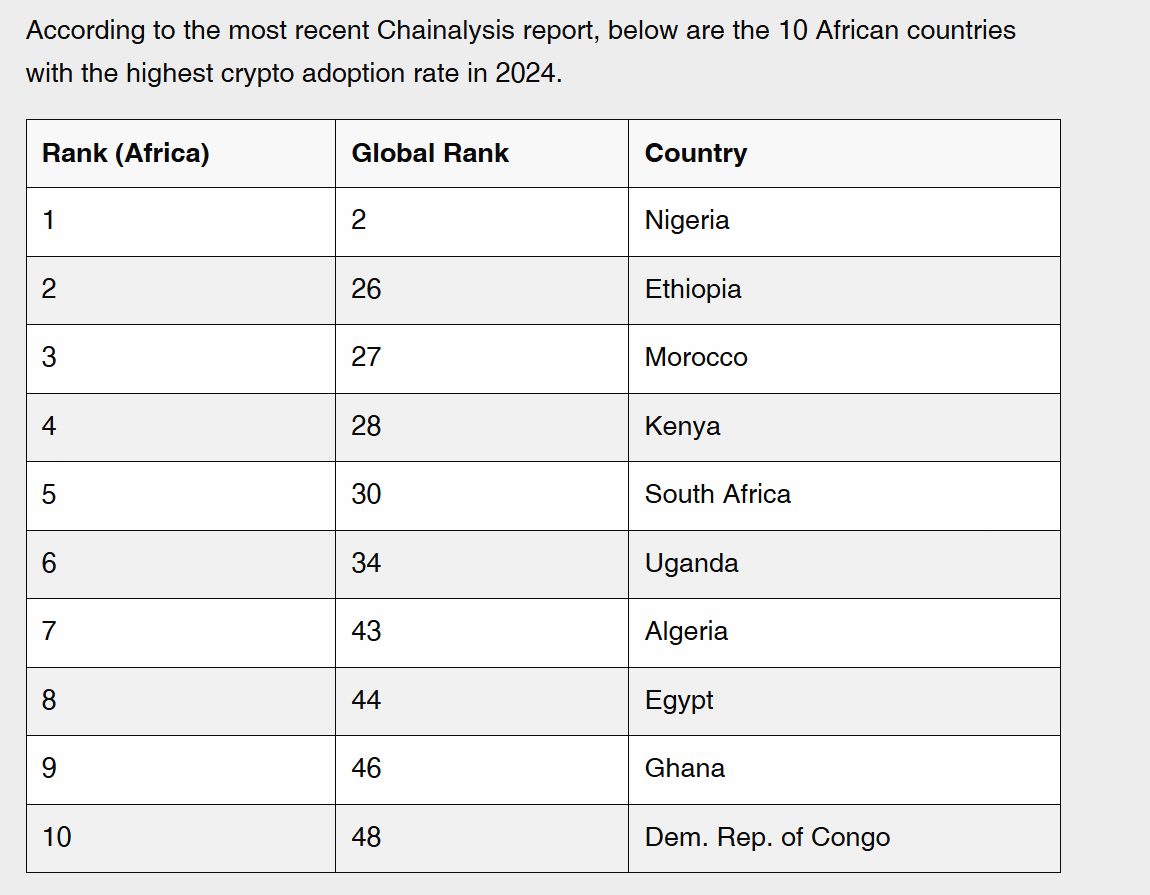
- Economic fragility: With inflation soaring and currency devaluation persisting, many Ethiopians turn to crypto as a hedge. However, a major hack like Bybit’s could wipe out crucial savings overnight.
- Regulatory gray areas: Ethiopia’s blockchain policies remain in flux, and crypto investors currently have little or no institutional recourse if they fall victim to cyberattacks.
The hack is a wake-up call for the industry to prioritize security and for regulators to balance innovation with consumer protection. In Ethiopia, grassroots education efforts and advocacy for clear regulatory frameworks are urgent needs.
Learning from Japan’s stringent crypto regulations
Japan’s robust cryptocurrency regulations offer a potential blueprint for global regulators. These measures protected FTX Japan customers during FTX’s collapse, enabling full reimbursement while other subsidiaries faced bankruptcy. Key protective mechanisms include:
| Mechanism | What it does |
|---|---|
| Segregation of funds | Customer assets are kept separate from exchange funds. |
| Third-party trusts | Fiat currency holdings are managed by banks in external trusts, shielding them from bankruptcy claims. |
| Customer priority in bankruptcy | Japanese law ensures that users are prioritized over other creditors. |
| 95% cold wallet rule | The majority of digital assets are stored offline, minimizing hacking risks. |
| Reserve backing for hot wallets | Exchanges must maintain reserves to cover losses from the 5% of assets held online. |
| Annual audits | External audits ensure compliance and security integrity. |
Japan’s regulations were shaped by past exchange failures, such as Mt. Gox and Coincheck, in stark contrast to more lenient policies in the U.S. and Australia. Regulators should consider adopting similar frameworks to enhance consumer and citizen protection and exchange accountability.
What individual users can do
Regardless of regulation, individual users can take proactive steps to safeguard their assets.
Final thoughts
The Bybit hack underscores the ongoing security challenges in the crypto industry and the pressing need for stronger regulatory oversight. Ethiopian crypto users, in particular, must be cautious in an environment where institutional protections are limited. Meanwhile, regulators should look to Japan’s model and other countries’ best practices to ensure citizens’ safety and maintain trust in digital assets.